

Road to Redemption
In the early 1980s, my father started writing a running-themed novel. More than 40 years later, I’m publishing it.

I remember him as an emaciated man of indeterminate age who sat in a wheelchair, spoke in a hoarse whisper, and drank through a straw. His name was Alan Sherman, but everyone called him Smoky. He lived in central Maine, a couple of hours from where my family lived in Seacoast New Hampshire, and he was dying of ALS.
My family drove there on a raw Saturday morning in March of 1985. While my father, Tom, and mother, Laurie, sat with Smoky and his wife, Tom jotting notes on a notepad he’d brought with him, my two brothers and I played with our hosts’ kids, who were about our age (I was 13). My dad had found Smoky through Tufts New England Medical Center in Boston. The author of three prior novels, he was working on a new novel about a fellow named Cooper McKenzie, a 38-year-old husband and father of three boys who is diagnosed with Lou Gehrig’s disease and decides to finish life on his terms by running the Boston Marathon. Cooper was my father in every respect but one (same bad childhood, same traumatic stint in the navy, same frustrated literary dreams). Smoky’s role was to describe what it’s like to die in the most nightmarish way imaginable, and way too young.
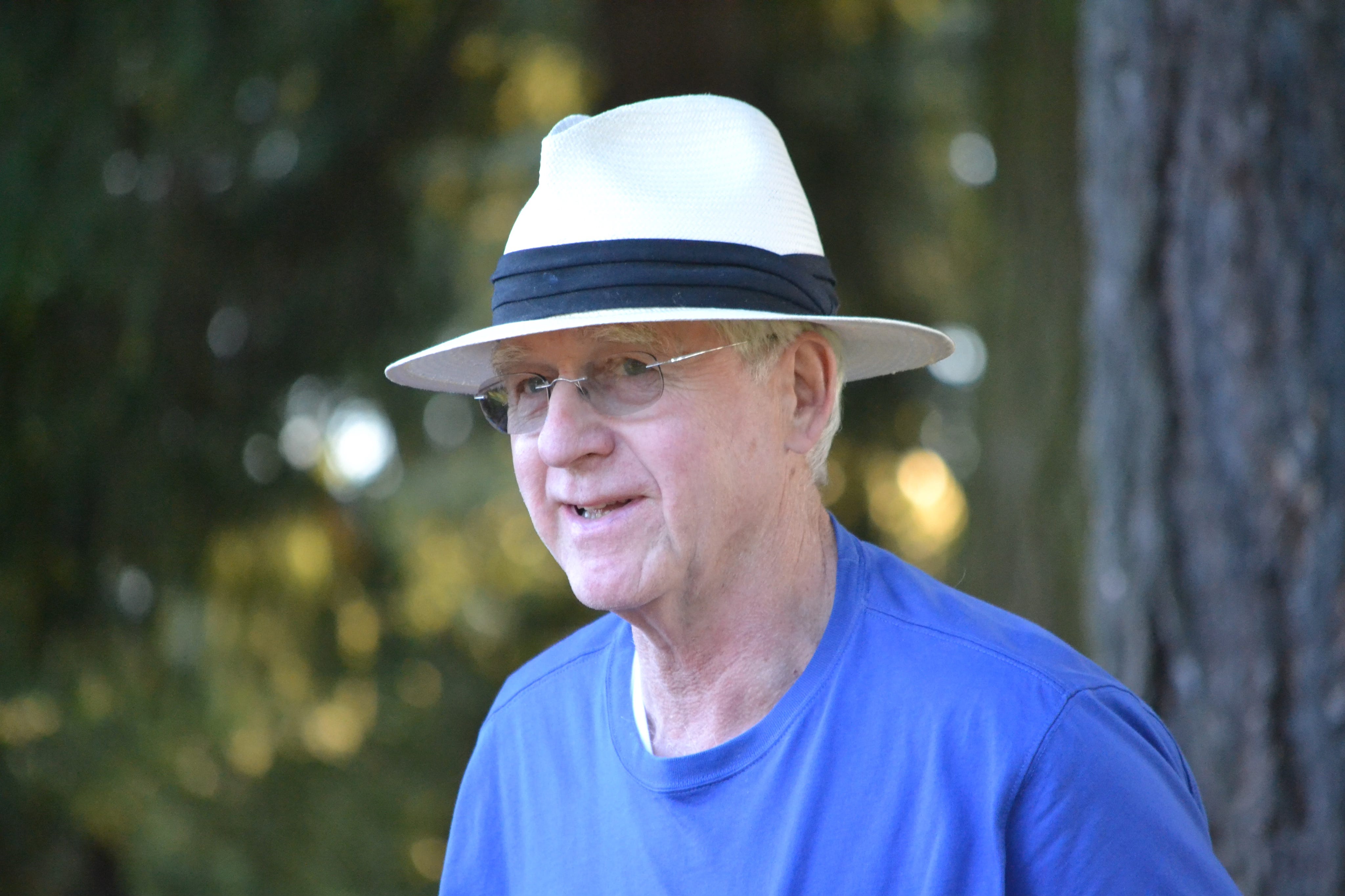
Tom had already been working on the novel for three years by this time, and had run the 1983 Boston Marathon as part of his research. The whole family tagged along on that occasion as well, my mom and my brothers and I hopscotching from point to point along the course to cheer him on. At Columbus Circle, we three boys broke away from the curb and piloted our weary sire through the final mile and across the finish line. How many people can say the first mile they ever ran was the last mile of the Boston Marathon? I felt 10 feet tall that day, and the very next day I ran 6 miles on my own back home in New Hampshire, little knowing that the course of my life had changed forever.
Still working on the novel in 1987, Tom drove the family to Rhode Island to visit Laurie’s parents. On Sunday morning, we sat down together and watched Sunday Morning, a venerable news and human interest show hosted by Charles Kuralt. During a segment on the International Ballet Competition, Kuralt uttered the phrase “a private agony” in reference to the torment that dancers went through while waiting for the results of their auditions. My dad liked the phrase so much it became the title of his novel. He ran the Boston Marathon again that year and a third time in 1988, stopping periodically to jot notes in his trusty notepad, which he carried the entire 26.2 miles.
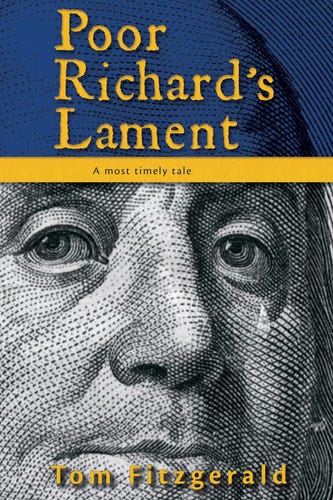
I don’t recall why my dad abandoned the novel, nor does he. It’s likely that he sent a draft to his literary agent, received negative feedback, and became discouraged. What’s certain is that he didn’t stop writing. In 2001 he began working on an ambitious novel called Poor Richard’s Lament, an epic fable written largely in 18th-Century English in which Benjamin Franklin returns to 21st Century America to confront what has become of the country he helped create. Published in 2011, PRL is a true masterpiece of American literature, but it was a commercial flop that left its unappreciated author feeling frustrated, exhausted, and increasingly desperate.
Over the next several years I watched my father jump from one project to the next, looking for the big score. Frankly, it was hard to watch. As president of the Tom Fitzgerald fan club (there’s no such thing), I wanted to see him focus his considerable talents on a single, meaningful project and allow fame to take care of itself. So it was that, during a December 2018 visit with my folks in Rhode Island (they’d moved into the family beach house after my grandparents passed away), I encouraged my dad to dust off A Private Agonyand finish what he’d started nearly four decades before.
Tom didn’t need much convincing—like I said, he was desperate—but it was no easy task to convert the obsolete digital format in which the novel had been preserved to a modern format that permitted revisions. He had to send the discs to some outfit that specialized in that sort of thing. When he got the file back and read what his younger self had written, Tom was horrified by the book’s glaring flaws and general unevenness. But he saw enough potential to roll up his sleeves and do the work required to fulfill that potential.
I remember reading a very early draft of A Private Agony in the mid-1980s. A few lines remained in my head 40 years later, including an image of a cargo ship gliding along the St. Lawrence River with a “beard of foam” at its bow. I asked my dad if that line was still in the manuscript and he said it was. I nearly wept at this confirmation. There are moments in later life that make your long-ago childhood feel both immediate and remote, filling your breast with an aching nostalgia. This was one of them.
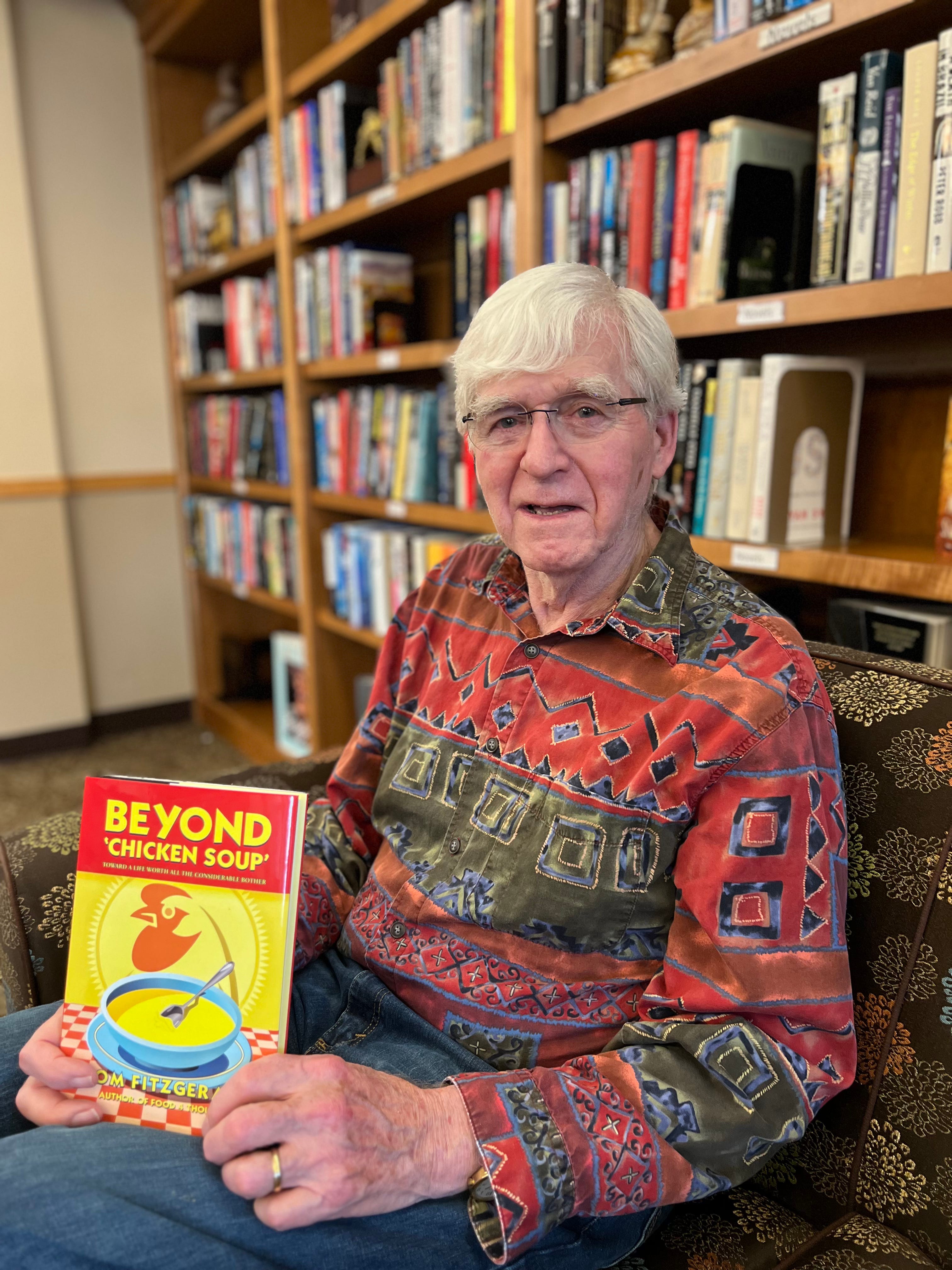
In 2021, my dad was diagnosed with Parkinson’s disease, a neurodegenerative condition not altogether dissimilar to the one he’d bestowed on Cooper McKenzie. Growing weaker and foggier by the day, he was now in a race against time to finish the story he’d carried inside him for more than half his life.
In 2023, my mother died. Tom had been married to her for 56 years and loved her madly. In A Private Agony, Cooper’s wife is Tom’s wife in every detail except her name (Tessa), and she is the true hero of the novel. It pains me that Laurie didn’t live to see her soulmate’s literary tribute to her in its final form.
For a while it looked as if nobody would ever see A Private Agony in its final form. Despite my support—which included an unsuccessful attempt to persuade my literary agent to represent the title (she doesn’t do fiction)—he ran into the same hurdles and closed doors that had plagued him throughout his writing career. Simply put, nobody wanted to publish the book.
So I started my own publishing company. Actually, that’s misleading. I started 80/20 Publishing with a few partners not for the purpose of publishing A Private Agony but to offer a platform for writers and experts with something to offer the athletic community. My father just happened to be one of those writers.
Our top editor is Renee Jardine, who in an earlier phase of her career edited some of my most successful books, including Racing Weight and How Bad Do You Want It? Over the past year Renee has worked with Tom to polish his novel to perfection. The biggest change is the title: A Private Agony is now Road to Redemption.
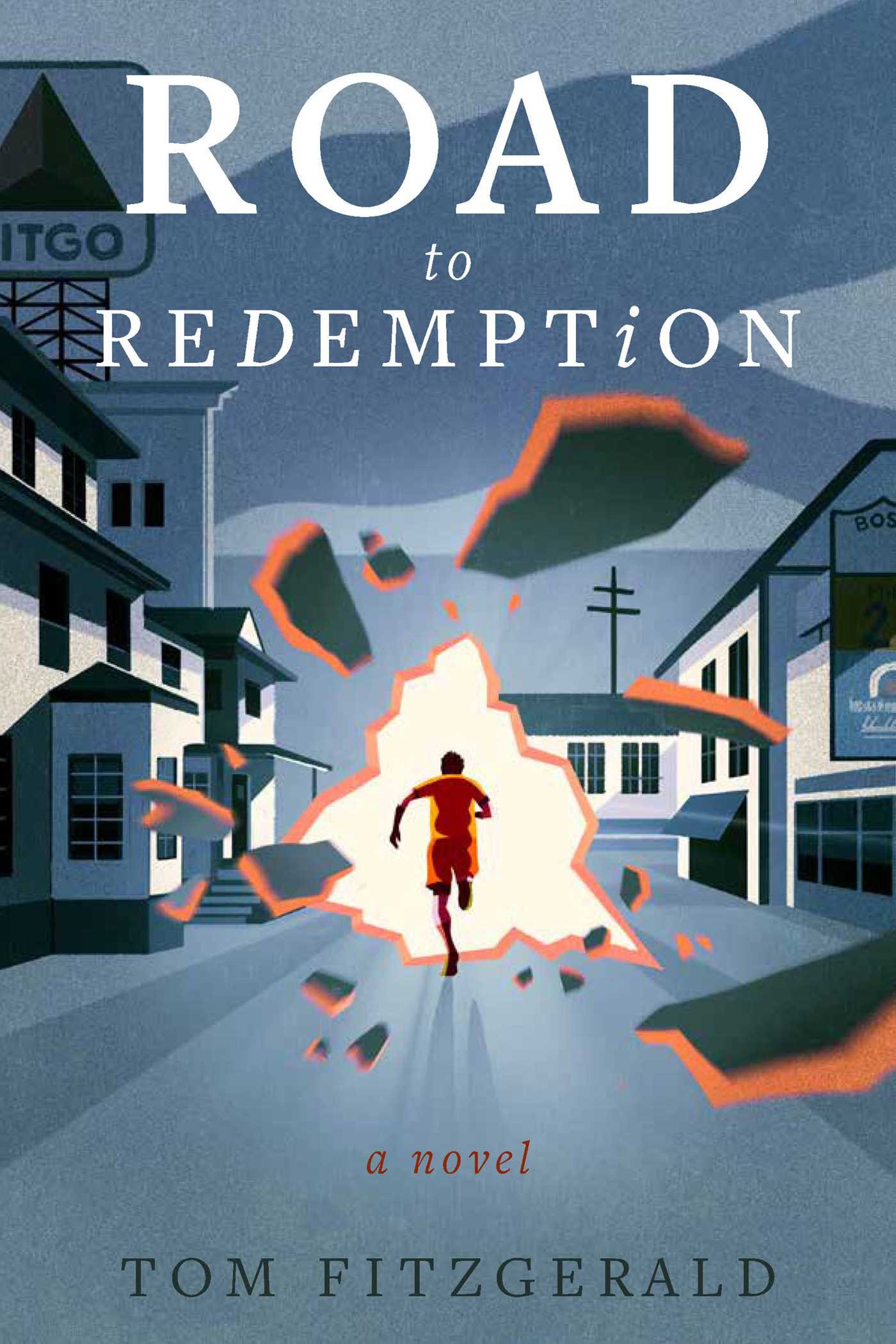
The manuscript went to the printer last week, and on June 24 a book that was 44 years in the making will at last be available to the public. I read the final page proofs and was blown away by the beauty and poignancy of the story my father has gifted to the world. I cried twice, maybe thrice.
I don’t know how much longer the world will be blessed by Tom Fitzgerald’s presence, but Tom himself thinks not very long. He fell twice yesterday and was lucky to escape without broken bones. I want my dad to experience one last win before he reunites with my mom, and you can help. Preorder your copy of Road to Redemption today, read it, love it, and tell your friends about it. You’ll do a great favor to the man who gave me running and writing and so much more, but no one will benefit more than you.
Matt — I just finished the novel tonight… it was beautiful. I re-read this after finishing it, too, and I am thankful that the book was completed. My best to you and your dad. Loved the Wheezer part so much…! Cheers…
Ordered! Wishing your family love and support at this tough time in life. My dad had Parkinson’s. He still lived a good life, including daily walks using his walker, until his early 90s, a year or so before he died at 93. Neurodegenerative diseases are hard.